
Alzheimer’s Care at Home: A Guide for Families

January is Alzheimer’s Awareness Month in Canada – a time to pause, reflect, and talk openly about a condition that quietly touches so many families. If someone you love is living with Alzheimer’s or another form of Alzheimer’s, chances are your life has changed too.
Across Canada, hundreds of thousands of families are navigating memory loss, personality changes, and increasing care needs. We have worked with multiple clients and their families to know that this journey is emotional, exhausting and often, it is lonely. But here’s the most important thing to know:
You are not alone – and our support can make this journey gentler.
This guide was created for caregivers and family members who are caring for a loved one with Alzheimer’s and wondering what comes out next. We’ll walk through what Alzheimer’s really looks like at home, common caregiving challenges, helpful resources, how to talk to a loved one about home care, and how Classic LifeCare supports families across Vancouver, Calgary, Prince George and surrounding communities with compassionate Alzheimer’s home care.
Why Alzheimer’s Awareness Month Matters to Families
Alzheimer’s disease is the most common form of Dementia, affecting memory, thinking, and the ability to manage daily life. In Canada, the number of people living with Alzheimer’s continues to grow –and behind every diagnosis is a family adjusting, learning, and coping.
For many families, the hardest part isn’t the diagnosis itself. It’s what follows:
- Watching a parent forget familiar faces
- Seeing a spouse struggle with everyday tasks
- Feeling unsure how to help or how long you can do it alone
- Trying to live in the present and not letting the memories affect your relationship
Alzheimer’s Awareness Month exists to remind families that seeking to help in not giving up. It’s an act of care, for your loved one and for yourself.
When families talk openly about Alzheimer’s and reach out earlier, they often find:
- Decreased stress and burnout
- Safer living environments
- Better quality of life for their loved ones
- More meaningful moments together
And we have seen it in-person, that’s what truly matters.
The Realities of Caring for a Loved One with Alzheimer’s
Caring for someone with Alzheimer’s or Alzheimer’s can be deeply meaningful and incredibly demanding.
As Alzheimer’s progresses, many families find themselves providing increasing levels of support, including:
- Medication reminders and supervision
- Help with meals, hygiene, and mobility
- Managing wandering or safety concerns
- Emotional reassurance during confusion or anxiety
It is common for caregivers to feel overwhelmed, guilty, or stretched thin. Many family caregivers tell us they never realized how much they were carrying until they were already exhausted.
And we at Classic LifeCare believe “Caregivers deserve care too.”
Getting help doesn’t mean you’re failing your loved one. It means you’re protecting your relationship with them, so you can be present as a daughter, son, spouse, partner and not just a caregiver.
For families new to home care, understanding what support actually looks like day-to-day can remove a lot of fear. We’ve broken this down in our guide on demystifying home care.
Support and Resources for Families Living with Alzheimer’s
There are excellent Alzheimer’s resources available in Canada, and connecting with them can make a meaningful difference.
- Alzheimer Society of Canada & Local Chapters offers education, caregiver support groups, counseling, and helplines for families. Their First Link program connects families to resource early, helping them feel supported from the beginning.
- Community & Health Supports offer adult day programs, Alzheimer’s-friendly activities, respite care, and caregiver education sessions. These programs provide stimulation for your loved one and breathing room for you.
- Professional Home Care allows your loved one to stay in familiar surroundings while receiving personalized support. For many families, this is the bridge between independence and safety.
If you’re still unsure how home care fits into your family’s situation, learning what home care actually involves can help clarify your options.
How to Talk to Your Loved One About Home Care (Without Fear or Conflict)
This is often the hardest step.
Many seniors worry that home care means losing independence. The key is how the conversation is framed.
Here are a few gentle approaches that often help:
- Start early and keep it calm
Don’t wait for a crisis. Choose a relaxed moment and introduce the idea gradually. - Focus on independence, not decline
Home care helps people stay at home longer, safely and comfortably. - Involve them in the decision
Ask what would make life easier right now. Even small support can help. - Start small
A few hours a week for companionship or meals can feel far less intimidating than full-time care. - Reassure, don’t rush
Let them know nothing has to be decided immediately. This is about working together.
When concerns or questions come up during these conversations, understanding what home care really involves can help reduce assumptions and fear. Families often tell us that once care begins, their loved one wonders why they waited so long.
How Classic LifeCare Supports Alzheimer’s & Alzheimer’s Care at Home
At Classic LifeCare, we’ve been supporting families through complex care journeys for nearly 50 years. Alzheimer’s care isn’t just a service we offer; it’s a responsibility we take personally.
Specialized Alzheimer’s Home Care
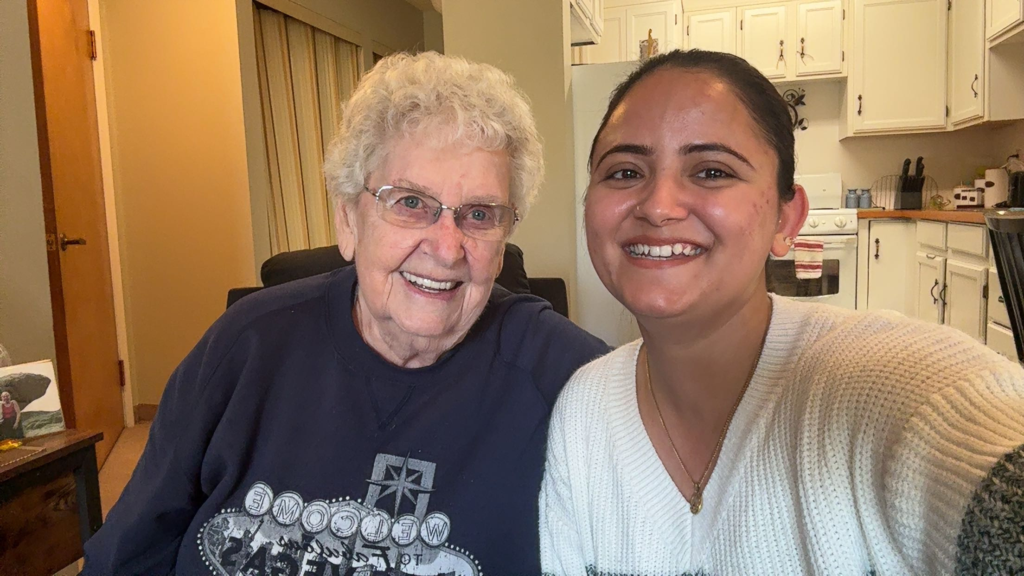
Our caregivers receive dedicated Alzheimer’s training and ongoing education. They understand how Alzheimer’s affects memory, communication, and behavior, and how to respond with patience, dignity, and kindness.
Flexible, Personalized Care
From a few hours a week to full-time support, our care plans adjust as needs change. Services may include:
- Companionship and emotional support
- Personal care and hygiene assistance
- Meal preparation and medication reminders
- Safety supervision and routine support
- Respite care for family caregivers
Local Care You Can Trust
We proudly support families in Vancouver, Calgary, Prince George, and surrounding communities. Our local teams work closely with families to ensure continuity of care.
Most importantly, we focus on relationships, not just tasks.